You've tried to stop.
It hasn't worked.
This isn't about willpower. Your brain has learned a pattern, and breaking it takes more than sheer force and shame. Therapy can help you understand what's driving the behaviour and build something different.

You already know it's a problem.
You don't need someone to tell you this isn't working. You've told yourself a hundred times. You've deleted apps, cleared histories, set up blockers. And then you're back. The pattern feels automatic, like something takes over before you even make a conscious decision.
For most men, porn use starts as something harmless. But over time, it becomes the default way to manage stress, boredom, loneliness, or emotional pain. And once the pattern is wired in, it runs on autopilot.
Escalation
What used to be enough isn't anymore. You find yourself seeking out more extreme or novel content to get the same effect.
Time disappearing
What was supposed to be five minutes turns into hours. You lose entire evenings. Time collapses when the cycle takes over.
Desensitization
Real intimacy feels flat. You struggle with arousal, connection, or presence with a partner. Your brain has been trained on something else.
Secrecy and shame
Private browsing, separate devices, covering your tracks. The secrecy feeds the shame, and the shame feeds the cycle.
Impact on relationships
Emotional distance, sexual dysfunction, trust issues. Your partner may not know the details, but they feel something is off.
Failed promises
You've deleted the apps, sworn it off, made commitments to yourself. Then something triggers you, and you're right back where you started.
This is more common than you think.
Most men who struggle with compulsive porn use never tell anyone. The shame keeps them silent, sometimes for years. But this affects men across every background, profession, and stage of life.
Internet pornography is uniquely engineered for compulsive use: unlimited novelty, zero cost, total anonymity. Most men are first exposed before age 13. By the time they realize it's a problem, the pattern has been running for years.
You're not broken. You're dealing with something that was designed to be hard to stop. And you don't have to figure it out alone.
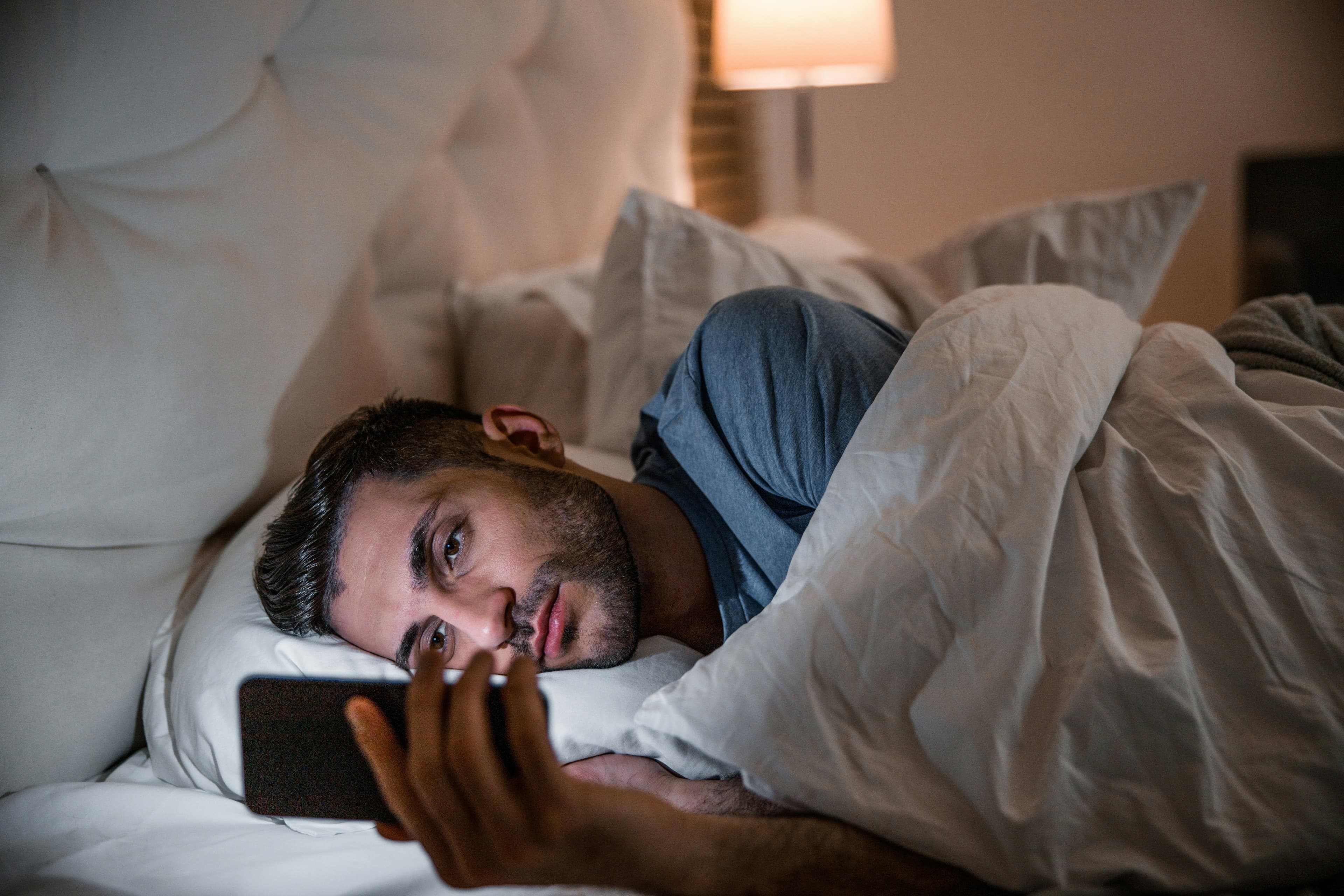
It's not a moral failing. It's neuroscience.
Pornography delivers a supernormal dopamine hit. Every new video, every new tab is a novel stimulus, and your brain's reward system responds to novelty like it was designed to. The problem is that internet porn offers unlimited novelty at zero cost and zero effort.
Over time, the brain adapts. Dopamine receptors downregulate. You need more to feel the same effect. This is tolerance, the same mechanism behind any compulsive behaviour. Meanwhile, the neural pathways connecting stress, boredom, or emotional pain to porn use get reinforced every time the cycle repeats.
This is why accountability software, content blockers, and self-help strategies rarely work on their own. They address the symptoms without touching the root cause. You're not fighting a bad habit. You're fighting a rewired reward system. Effective treatment works with the brain, not against it.
Understanding the cycle
We map your specific pattern: the triggers, the emotional states, and the sequence of events that lead to use. Awareness is the first step to interrupting it.
Building new neural pathways
The brain is plastic. We work to strengthen alternative responses to the triggers that currently lead to compulsive use. New patterns replace old ones.
Addressing underlying pain
Compulsive porn use is almost always a coping mechanism. We explore what it's medicating: loneliness, anxiety, unresolved trauma, disconnection.
Developing healthy coping
You need something to replace the behaviour with. We build a toolkit of regulation strategies that actually work when stress, boredom, or emotional pain hit.
General therapy isn't built for this.
Most therapists, even good ones, aren't trained to work with compulsive pornography use. They might normalize the behaviour, pathologize it, or simply not know what to do with it. Many men spend years in general therapy without ever addressing the real problem.
A Certified Sex Addiction Therapist (CSAT) is trained through the International Institute for Trauma & Addiction Professionals (IITAP). It's not a weekend course. It's hundreds of hours of specialized training in sexual compulsivity, trauma, and structured recovery. CSAT-informed treatment understands the neuroscience, the attachment patterns, and the specific approach that actually works for this issue.
At Addy Psychotherapy, we use a structured, evidence-informed approach built specifically for compulsive pornography use. This isn't just talk therapy. It's targeted work designed to create real, lasting change.
Let's talk
You don't have to keep this a secret anymore.
Specialized, confidential therapy for porn addiction. Book a free 15-minute consultation.
How treatment works
Every situation is different, but the process follows a clear structure. Here's what therapy for porn addiction typically looks like at Addy Psychotherapy.
Free consultation
A 15-minute call to discuss what you're dealing with and whether this is the right fit. No commitment, no pressure.
Assessment
In your first full sessions, we build a clear picture of your patterns, triggers, and what's driving the behaviour beneath the surface.
Structured treatment
Weekly sessions targeting the root causes. We work through the cycle, build new coping strategies, and address underlying emotional pain.
Lasting change
Recovery isn't just about stopping. It's about rebuilding trust, connection, and a life you don't need to escape from.
This might be for you if...
- You've tried to quit on your own and keep going back
- Your porn use has escalated in frequency, duration, or intensity
- It's affecting your relationship, your sex life, or your ability to connect
- You feel shame, secrecy, or a double life around your use
- You use porn to cope with stress, anxiety, boredom, or loneliness
- You've noticed changes in how you respond to real intimacy
- You're tired of the cycle and ready for something that actually works
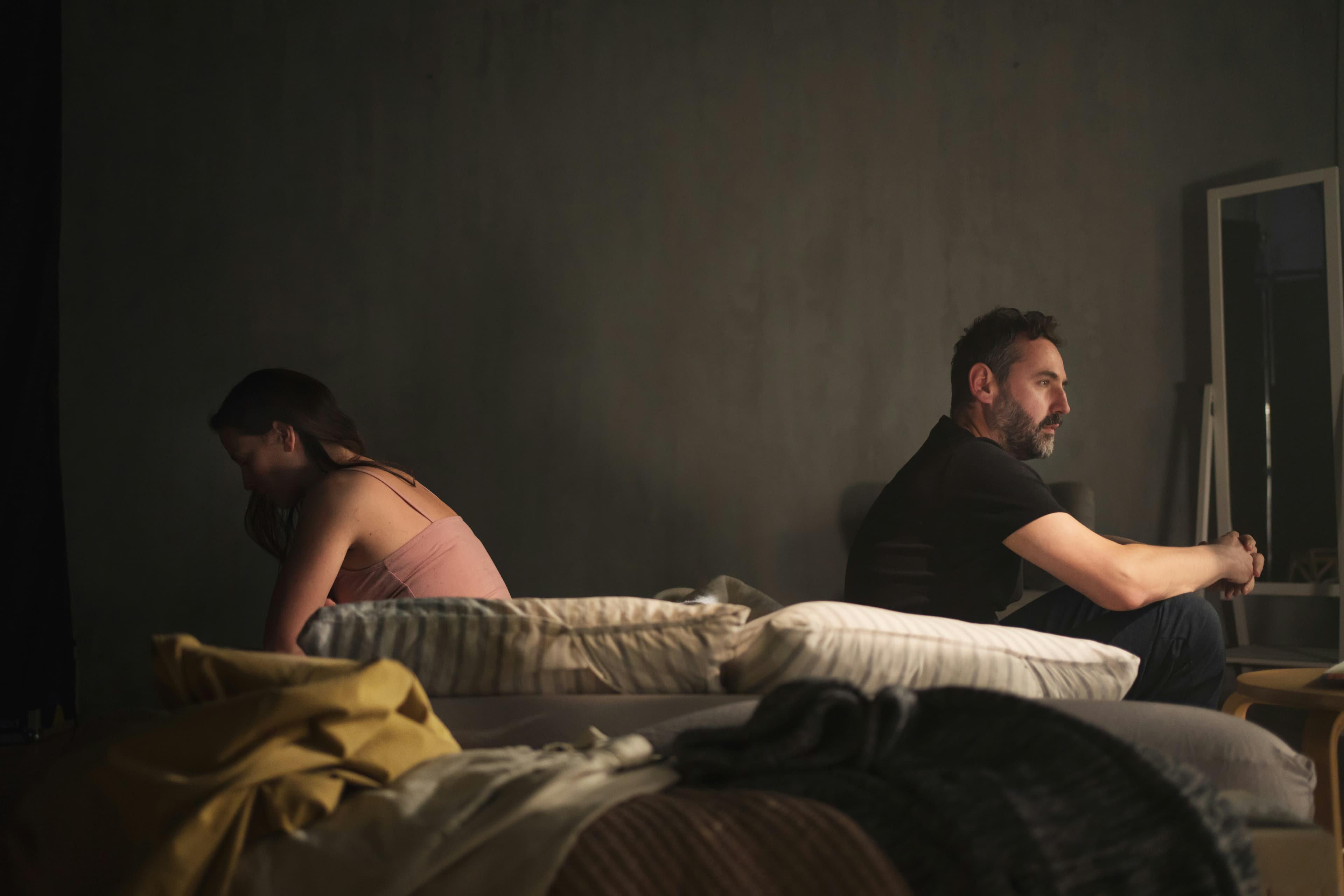
Not sure where you stand?
Take a free, confidential self-assessment to reflect on your relationship with pornography. It takes about 2 minutes and can help you understand whether what you're experiencing has crossed into compulsive territory.
This is not a diagnosis. It's a starting point for understanding.
Take the Self-AssessmentFrequently asked questions
Is therapy for porn addiction confidential?
Yes. Everything discussed in therapy is protected by law. Your records are private, and no one will know you are in treatment unless you choose to share that. The only exceptions are standard legal limits that apply to all therapy in Ontario, which we discuss in your first session.
How long does treatment typically take?
It depends on your situation. Some men see meaningful progress in 8 to 12 sessions. Others benefit from longer-term work, especially when underlying trauma or attachment patterns are part of the picture. We develop a realistic timeline together after your initial assessment.
Do I have to tell my partner?
That is your decision, and it is something we can work through together. Disclosure can be an important part of recovery, but the timing, method, and extent of what you share should be carefully considered. There is no pressure to disclose before you are ready.
What happens in the first session?
We talk about what brought you in, what the behaviour looks like, how long it has been going on, and what you have already tried. There is no judgment. The goal is to build a clear picture so we can create a treatment plan that fits your specific situation.
Can I do therapy online?
Yes. Secure video sessions are available for anyone in Ontario. Many men prefer online therapy for this issue because of the added privacy. Online sessions are just as effective as in-person for this type of work.
Is watching porn actually an addiction?
The clinical community continues to refine the language, but the patterns are real. When pornography use becomes compulsive, when you cannot stop despite wanting to, when it escalates, and when it causes harm to your relationships or well-being, it meets the criteria for problematic use. Whether you call it an addiction or a compulsive behaviour, the treatment approach is the same.
From the blog
Why Accountability Software Isn't the Cure
Content blockers and accountability apps can be useful tools, but they don't address the root of compulsive porn use. Here's why, and what actually works.
Compulsive BehaviourLimbic Capitalism: How Your Brain Became a Product
The dopamine economy is designed to hijack your reward system. Understanding how it works is the first step to taking your brain back.
Sexual HealthUnderstanding Compulsive Sexual Behaviour
Compulsive sexual behaviour isn't about being broken. It's about a brain that learned to cope in a specific way. Here's how therapy can help.
Have a question? Reach out.
If you're not sure whether this is the right fit, a free 15-minute consultation is the easiest way to find out. No pressure, no commitment. Everything is completely confidential.
In-person: 3638 Lake Shore Blvd W, Etobicoke, ON
Online: Secure video sessions across Ontario
Phone: (647) 510-7656
Let's talk
Ready to break the cycle?
Book a free 15-minute consultation. No judgment, no lecture. Just a straightforward conversation about what you're dealing with and how therapy can help.