What the Research Says About Sex Addiction Recovery
When you're in the middle of a compulsive pattern, it can feel like nothing will work. You've tried willpower, promises, accountability software, maybe even therapy that didn't seem to help. So does recovery actually work? Here's what we know from the research and from clinical practice.
This isn't a literature review. I'm not going to bury you in citations. What I want to do is translate the key themes from the research into something practical, because understanding why certain approaches work can help you trust the process when it gets hard.
The neuroscience: your brain on compulsive behaviour
The research on compulsive sexual behaviour consistently points to the brain's reward system. When someone engages in compulsive sexual behaviour over time, the dopamine pathways in the brain, the same ones involved in substance addiction, get hijacked. The brain learns to associate sexual behaviour with relief from distress, and over time, it becomes the default response to any uncomfortable emotional state.
What the neuroscience tells us is important: this isn't a moral failing. It's a neurological pattern. The prefrontal cortex, the part of your brain responsible for decision-making and impulse control, gets effectively overridden by the limbic system during moments of high stress or emotional activation. This is why you can make a genuine decision to stop in the morning and find yourself acting out by evening. It's not hypocrisy. It's neurobiology.
The good news: neuroplasticity is real. The brain can rewire. But it doesn't rewire through willpower alone. It rewires through consistent, structured intervention over time. Which brings us to the next point.
Structured treatment works better than insight alone
One of the clearest findings in addiction treatment research, across all forms of addiction, is that structured approaches outperform unstructured ones. “Just talking about it” in open-ended therapy can provide relief and insight, but for compulsive behaviour patterns, it's usually not enough.
This is why the CSAT model emphasizes specific treatment components:
- A thorough assessment that maps the specific cycle driving the behaviour
- A structured treatment plan with clear goals and milestones
- Concrete behavioural interventions alongside deeper therapeutic work
- Relapse prevention planning that's personalized and practical
- Regular assessment of progress and adjustment of the plan
Structure doesn't mean rigid or impersonal. It means there's a framework guiding the work, so you're not just processing feelings week after week without a clear direction. The research supports what I see clinically: people do better when they know what the plan is and can see themselves progressing through it.
Group therapy is more powerful than most people expect
If there's one finding that consistently surprises clients, it's this: group therapy is one of the most effective components of sex addiction recovery. Research on addiction treatment broadly, and compulsive sexual behaviour specifically, shows that group-based approaches produce outcomes that individual therapy alone often can't match.
Why? Because shame thrives in isolation. Compulsive sexual behaviour is one of the most isolating struggles a person can face. You carry it alone. You hide it from everyone. And the secrecy feeds the shame, which feeds the behaviour.
In a group, that isolation breaks. You discover you're not the only one. You hear other men describe the exact pattern you thought only you experienced. You get honest feedback from peers who understand because they've been there. And you build accountability that doesn't come from an app on your phone but from real human connection.
This isn't just anecdotal. The research consistently shows that the combination of individual and group therapy produces better outcomes than individual therapy alone for compulsive behaviour patterns.
Attachment wounds are usually part of the picture
One of the most important themes in the research is the connection between compulsive sexual behaviour and early attachment experiences. A significant proportion of people struggling with this issue have histories of insecure attachment, childhood emotional neglect, or overt trauma. Not everyone. But enough that any comprehensive treatment approach needs to address what's underneath the behaviour, not just the behaviour itself.
This is where trauma-focused therapy becomes essential. You can teach someone every coping skill in the book, but if the underlying attachment wound remains unprocessed, the pull toward the compulsive behaviour will persist. The research supports what clinicians have long observed: lasting recovery requires addressing the root, not just managing the symptoms.
Recovery is a process, not an event
The research is also clear that recovery from compulsive sexual behaviour is not a single moment of transformation. It's a process that unfolds over time, with stages, setbacks, and gradual deepening. Early recovery focuses on stabilization and stopping the harmful behaviour. Middle recovery involves understanding the emotional and relational roots. Later stages involve rebuilding integrity, repairing relationships, and developing a sustainable way of living that doesn't depend on compulsive behaviour for emotional regulation.
Relapse, when it happens, is not failure. The research frames it as information. What triggered it? What was the emotional state? What protective factors broke down? This perspective matters, because the all-or-nothing mindset (“I relapsed so I'm back to square one”) is itself a shame response that can deepen the cycle.
The CSAT model is clinically grounded
The CSAT treatment model integrates the key findings from the research: structured treatment, addressing shame and attachment, incorporating group work, using trauma-informed approaches, and supporting partners through betrayal trauma recovery. It's not a theoretical framework sitting in a textbook. It's a clinical approach built on what actually works with real people.
If you're wondering whether recovery is possible for you, the evidence says yes. Not overnight. Not easily. But with the right approach, the right support, and genuine commitment to the process, people recover. I see it in my practice regularly. And the research backs up what I see in the room.
If you're ready to start, or just ready to explore whether treatment makes sense for you, reach out for a free consultation. No pressure. Just a conversation.
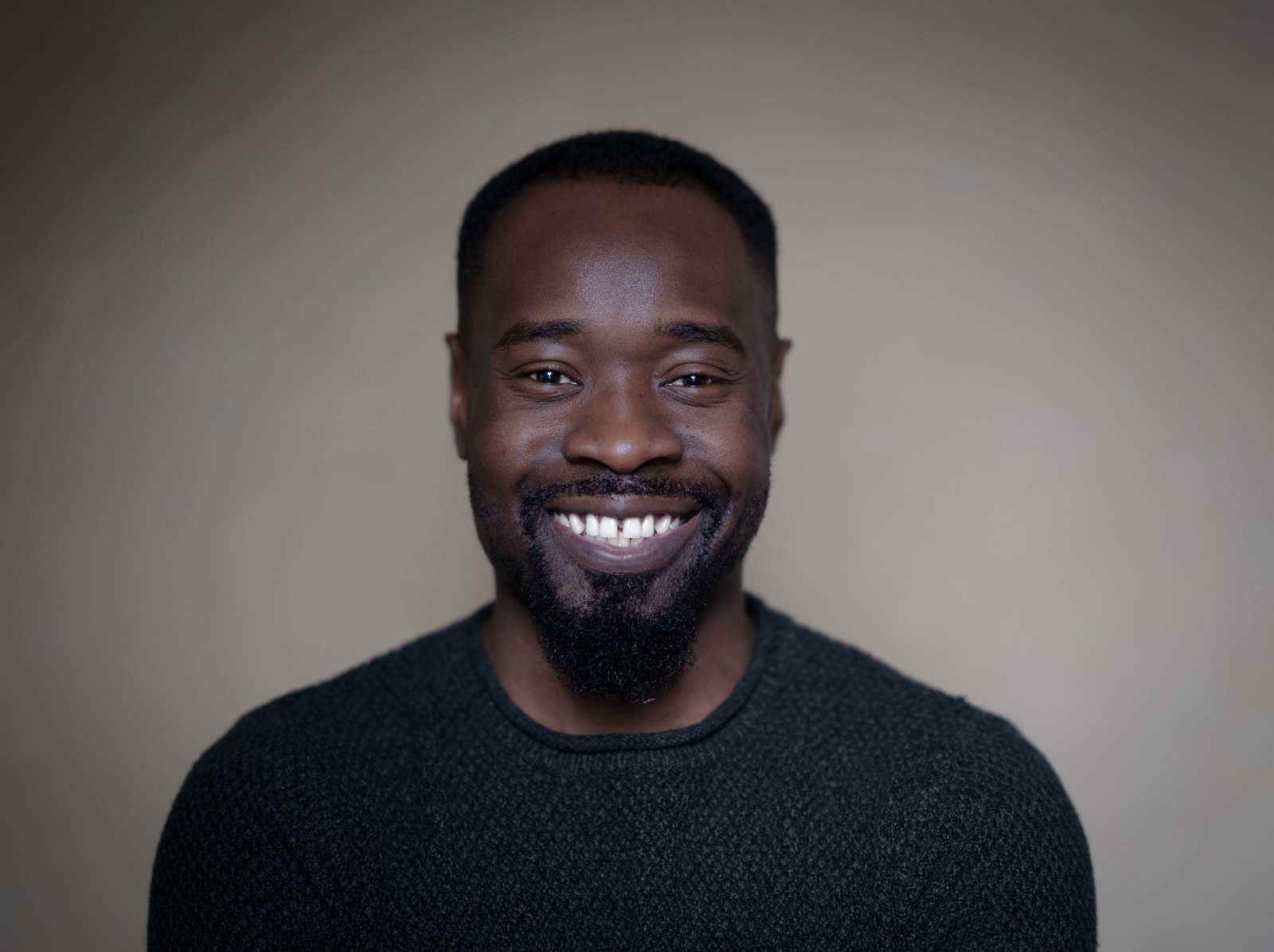
Joseph Addy
MDiv, RP (Qualifying), CSAT · Registered Psychotherapist (Qualifying)